Dress code and visitor rules
Wear modest, traditional clothes that cover your shoulders and knees, leave your footwear outside, and don't take photographs inside. Here are the details, and why they matter.
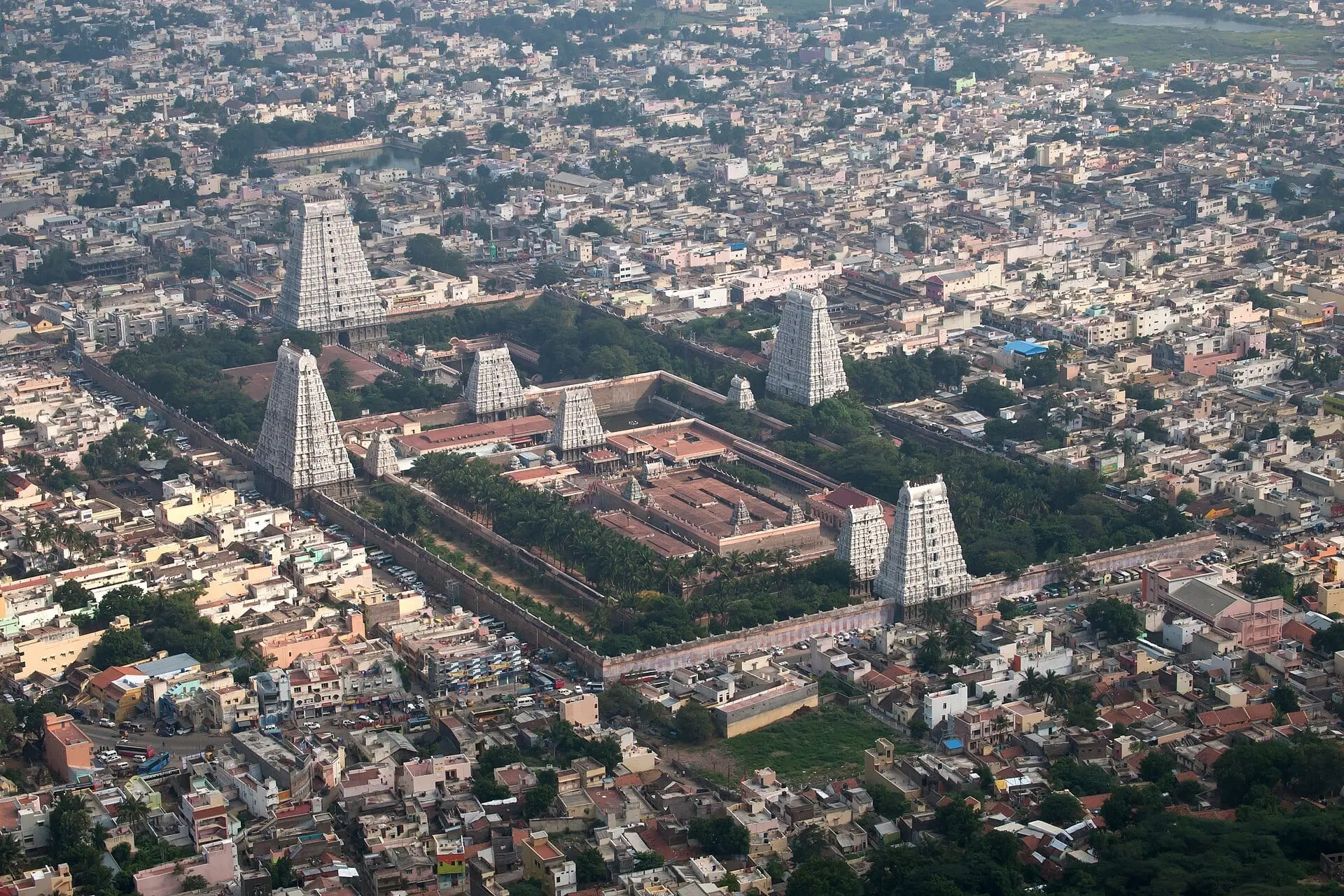
Dress code
There is no written uniform, but the temple expects modest, traditional dress. Tamil Nadu temples take this seriously, and staff may turn away visitors in very casual clothing. Sri Ramanasramam’s etiquette guide puts it simply: clothes should cover the shoulders and the knees.
| Suitable | Avoid | |
|---|---|---|
| Men | Veshti (dhoti) with shirt or angavastram; trousers with a shirt | Shorts, sleeveless vests, beachwear |
| Women | Saree, half-saree, churidar or salwar kameez with dupatta; long skirts | Shorts, short skirts, sleeveless or see-through tops, ripped jeans |
| Children | Comfortable, modest clothes | Very short clothing for older children |
Light cotton is best in the heat. If you’re also doing Girivalam, choose something you can comfortably walk 14 km in.
Footwear
Footwear is not allowed inside. Leave it at the stands outside the gopurams; these are usually free or charge a nominal fee. Remember which gate you used. The east Rajagopuram and north Ammani Amman Gopuram are the entrances listed on the official website.
Phones and photography
- No photography inside the temple.
- Phones: under rules applied across Tamil Nadu temples, you may be asked to switch your phone off or deposit it at a counter near the entrance. Carry as little as possible, especially on busy days.
Bags and offerings
- Carry only a small bag or cloth pouch; big bags slow down security checks on Pournami and festival days.
- Flowers, garlands, coconuts and camphor are sold on the streets around the temple. Buy only what you need.
- Single-use plastic is banned in Tamil Nadu. Bring a cloth bag.
Etiquette
Sri Ramanasramam’s etiquette guide, written for visitors to Arunachala’s holy places, is worth reading. The main points:
- Don’t enter an enclosed shrine unless a priest invites you in.
- Keep quiet in the shrines, and don’t point your feet towards a deity or a person.
- Don’t walk around a shrine where a pooja is in progress.
- Accept vibhuti and kumkum with your right hand.
Money and middlemen
- General darshan is free. Paid special-entry tickets are sold only at the temple counters and through the official HR&CE website.
- Don’t pay anyone outside the temple who offers “VIP darshan”.
- Give donations only at the official hundis, the counters, or through the official e-donation page, and keep the receipt.
Common questions
What is the dress code for Tiruvannamalai temple?
Modest, traditional clothes that cover shoulders and knees. Men usually wear a veshti (dhoti) or trousers with a shirt; women wear a saree, half-saree or churidar with a dupatta. Avoid shorts, sleeveless tops, short skirts and ripped jeans.
Can I take my mobile phone inside the temple?
Photography is not allowed inside. Under rules for Tamil Nadu temples, phones may have to be switched off or deposited at counters near the entrances, so carry as little as possible.
Can foreigners and non-Hindus visit Arunachaleswarar Temple?
Visitors of all backgrounds visit the temple. Follow the dress code and etiquette, and respect any area that staff indicate is restricted.
Sources & references
- Arulmigu Arunachaleswarar Temple – official websiteHindu Religious & Charitable Endowments Dept., Govt. of Tamil NaduOfficial temple source (HR&CE) · checked27 September 2026
- Etiquette around ArunachalaSri RamanasramamInstitution · checked27 September 2026
Please verify important timings and festival dates with official sources before travelling.
This is an independent informational guide, not the official temple website. For darshan tickets, sevas and donations, use the official HR&CE temple website.
Continue exploring Arunachala
 First-time visitor guideA first visit to Arunachaleswarar Temple, step by step: arriving, entrances, queues and tickets, the order of darshan, prasadam and annadhanam.
- Temple timingsArunachaleswarar Temple timings from the official HR&CE website: 5:30 AM to 8:00 PM daily, how hours change on Pournami, Pradosham and festivals, and when to go.
 First-time GirivalamA first-timer's guide to Girivalam at Tiruvannamalai: what to carry, what to wear, barefoot or not, etiquette on the path, food and water, and a simple step-by-step plan.
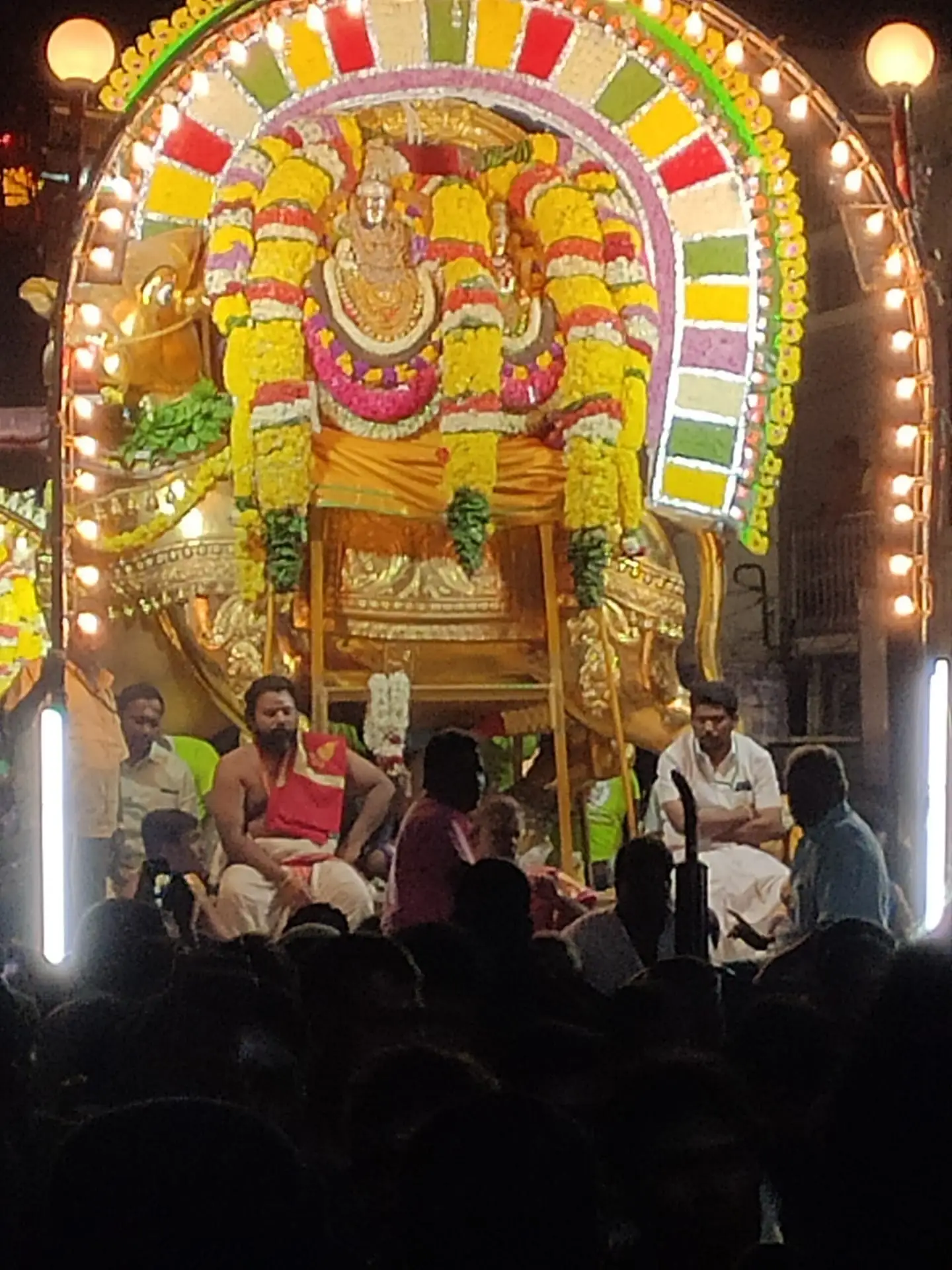 Shrines & deitiesWho is worshipped at Arunachaleswarar Temple: Annamalaiyar, Unnamulai Amman, Kambathu Ilaiyanar, Periya Nandi, Pathala Lingam and the temple's 40 shrines.